The Prove-It Loop: Planning a Dream-Car Test Drive That Refuses to Lie
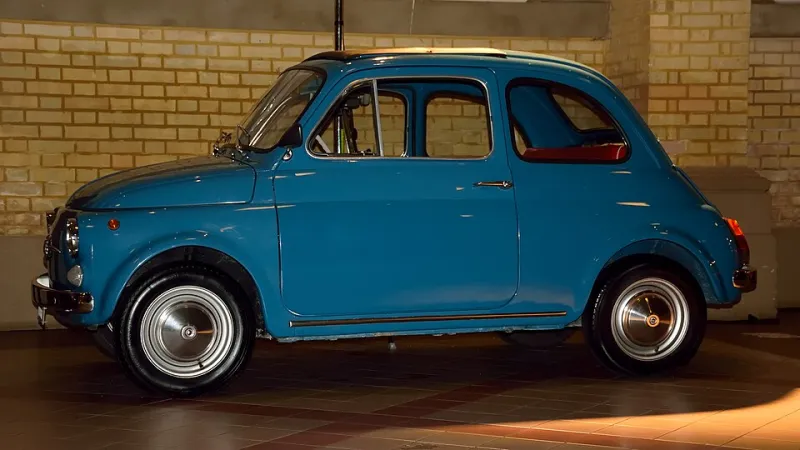
Photo: 35mmMan, CC BY 2.0, via Wikimedia Commons
Most dream-car test drives are a nervous lap of the seller’s nearest dual carriageway. You pull away, feel a bit giddy, prod the throttle once, comment on how nicely it steers, and hand the keys back before you have learned anything useful. The car might be brilliant. It might also have a clutch on borrowed time, a rear bush held together by hope, and a cooling fan that only works when the seller is watching. A short, polite drive will not tell you.
Here at Pudsey’s Dream Wheels, we are all for falling in love. But fall in love after the test drive, not before it. The trick is to arrive with a route already planned — a repeatable loop that puts the car through the ordinary British misery it will actually face: cold starts, traffic, potholes, speed bumps, hills and a fast slip road. Nine miles is plenty if those nine miles are chosen properly.
Start Cold, Not Warm
Ask the seller not to warm the car before you arrive. A pre-warmed engine is a kind host: it hides cold-start rattles, lazy hydraulic lifters, tired glow plugs and a battery that is closer to retirement than the advert suggests. You want to hear the first ten seconds from stone cold.
Stand outside while it starts. Listen for a chain rattle that lingers, a screech from a belt, or an uneven catch that sounds more like a cough than a combustion event. Watch the exhaust for blue smoke or a puff of white that does not clear. Then sit inside and test the boring stuff before you move: every window, the heater blower, the air-con, the wipers, the horn, the lights, the radio and the warning lights. If a bulb is out or a screen washer is dry, it tells you how the car has been kept. Small neglect is still neglect.
First Mile: The Traffic Crawl
Head straight into the slowest, stop-start bit of town you can find. This is where the clutch and gearbox earn their keep — or reveal that they have been earning overtime. In a manual, feel for a high bite point, judder, slipping under light throttle or a graunch going into second. In an automatic, note any shunt when selecting drive, any hesitation, any thump on a low-speed downshift.
This is also the first cooling test. The temperature gauge should climb steadily and then settle. If the fan is roaring like a hovercraft in November traffic, or the gauge drifts above its normal mark and then drops when you speed up, ask why. Low-speed electrical gremlins also love a traffic crawl: flickering dash lights, a radio that cuts out, parking sensors that chirp at fresh air.
The Potholed B-Road
Now find the worst maintained lane within reason — the sort with patched tarmac, sunken drains and a ribbon of mud down the middle. You are not there to hoon. You are there to listen. A tired suspension will introduce itself with clunks over sharp edges, rattles from worn drop links, and a steering wheel that kicks and tugs over cambers. If the car tramlines badly, the alignment or tyres may be suspect. If it feels vague on turn-in, walk away before the advert’s poetry gets to you.
The B-road also exposes brakes at low-to-medium speed. A squeal is not automatically fatal, but grinding, a long pedal or a pull to one side is worth investigating. Keep the windows down for the first mile. You will hear more than you expect: exhaust blows, stone chips, bearing whine, a heat shield buzzing at exactly 2,300rpm.
Speed Bumps and Car Parks
A dream car still has to negotiate a Tesco car park and a sleeping policeman outside a primary school. Approach speed bumps at a normal, careful angle and listen for a scrape from the front splitter, exhaust or underbody. If the car is lowered, this is the moment you discover whether the previous owner’s ‘subtle’ suspension work has made every journey a rally stage.
Use an empty car park for full-lock manoeuvres. Clicking from the front outer CV joint, creaking from top mounts or a steering rack that groans are all notes for the negotiation. Check the parking sensors, the reversing camera and the mirrors. These are not glamorous, but a dream car that is a pain to park quickly becomes a garage ornament.
The Steep Hill
Find a proper hill — the sort that makes a naturally aspirated engine work and a turbo car show its boost. Stop at the bottom if it is safe and do a hill start. In a manual, this is the clutch’s toughest exam: bite point, judder and stall tendency all matter. In an automatic, check for roll-back, jerky kickdown or a gearbox that hunts between ratios.
Watch the temperature gauge as you climb. A cooling system that is marginal will show its hand under load, especially if the fan has already been busy in traffic. On the way down, use the brakes lightly and then firmly. If the pedal goes long or the car shimmies under braking, you have found something worth fixing — or walking away from.
The Fast Slip Road
Finally, join a dual carriageway or motorway via a slip road where you can legally build speed. This is not about proving how brave you are. It is about checking that the car accelerates cleanly, holds a gear, changes smoothly and tracks straight. Feel for vibration through the wheel, a pull under braking, or a hesitation that suggests a boost leak or a tired ignition system.
Use the brakes from a sensible speed, once, in a straight line. You want progression, not drama. Then settle at a cruise and listen for wind noise, tyre roar and any driveline whine that only appears at 70mph. By the time you take the next exit, you should know whether the car feels tight, tired or merely in need of a service.
The Return Leg: Ask Now, Not Later
Pull over before you go back. Do not buy on the wave of adrenaline. Check under the bonnet, look at the tyre tread and pressures, and note every fault you found. Ask the seller about the route: did they know about the clunk, the hot smell, the lazy fan? Their answer tells you as much as the car does.
Build your own nine-mile script before you view: one minute cold start, one mile traffic, three miles potholed B-road, half a mile of speed bumps, one mile uphill, one mile of slip road, and the rest back to base. Put it in your phone. Tell the seller where you are going. If they refuse a sensible route, that is information too.
The best dream cars are not the ones that survive a nervous lap. They are the ones that come back from a proper prove-it loop still making you grin — with no nasty surprises hiding in the paperwork or the suspension. Plan the route first. Fall for the car second.