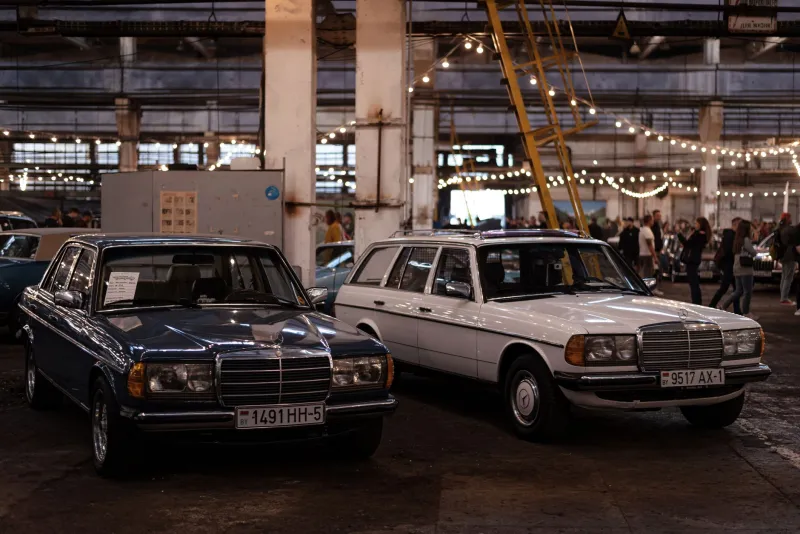
The Underwriter's Veto: Why a Five-Minute Quote Should Come Before the Test Drive

There is a familiar sequence to a dream-car purchase. You spot it online, you read the advert three times, you convince yourself the colour is growing on you, you test drive it, and then — somewhere between the handshake and the bank transfer — you remember to sort insurance. That is the moment the dream can quietly fall apart. Not because the car is bad, but because the quote is.
At Pudsey's Dream Wheels we are all for following your heart. But there is a case for letting your head book one five-minute appointment first. Before you fall for the car, find out what the underwriters think of you, your postcode and your plans. It is the cheapest test drive you will ever take.
The Quote Is the First Test Drive
Insurance is not admin. It is a compatibility check. A quote tells you how the industry views the risk of you running that specific car, in that specific place, for the miles you intend to cover. If the number comes back at four figures when you were expecting three, the car is not necessarily out of reach — but your ownership plan might be.
Running a quote early does three useful things. It sets a realistic monthly ceiling before your heart sets the budget. It exposes the details that push premiums around, from parking arrangements to declared modifications. And it gives you a bargaining chip: if the car is borderline, you can ask the seller to include a tracker or a set of winter wheels as part of the deal. Enthusiasts who quote first tend to negotiate better, because they know the true cost of saying yes.
Postcode Politics: Where the Car Sleeps Matters
A dream car parked on a driveway in a quiet West Yorkshire village is a different insurance proposition from the same car kept on a busy street in inner London. Insurers price by postcode because claims, thefts and vandalism cluster. That is not personal — it is actuarial — but it does mean your quote can vary wildly between a Leeds suburb and a Manchester terrace.
Be precise about overnight parking. "Driveway" and "garage" are not interchangeable, and "on-street" means on-street. If you are moving house in the next few months, quote both postcodes. If the car will live at a partner's address part of the week, say so. Underwriters dislike surprises more than they dislike modified exhausts.
Mileage: The Honest Number Wins
Most of us overestimate how much we will drive a weekend toy. A 3,000-mile limited policy can look wonderfully cheap until you realise you have used 2,400 miles by August. Then you are either paying for a mid-term adjustment or, worse, driving less than you want to.
Work backwards from real life. How far is your favourite B-road loop? How often will you actually use it? Add a buffer for the unplanned blast to the coast and the trip to a distant specialist. If the honest figure is 6,000 miles, quote for 6,000. A slightly higher premium for the right mileage is cheaper than the sting of a mid-term top-up — and it keeps the policy honest if you ever need to claim.
Modifications: Declare or Dare Not
This is where dream cars and dreamers part company. An aftermarket exhaust, a remap, lowered springs, a bigger set of wheels, a spoiler you bought on a whim — all of it matters. Some insurers are relaxed about cosmetic changes. Others treat a performance modification as a different car entirely. The only safe rule is to declare everything and ask the question before you buy.
If you are shopping for a car that is already modified, get the quote based on those modifications, not on a standard car. If you plan to modify it later, ask what the insurer's stance is now. A five-minute phone call can save you from a policy that is technically void when you need it most.
Agreed Value: Protecting the Dream
For older or unusual dream cars, market value can be a cruel phrase. Insurers may value a tidy modern classic at trade book price, which is rarely what it would cost to replace like-for-like. Agreed-value policies exist precisely for this reason. They fix a sum insured at the outset, usually supported by photos, a condition report and sometimes a club valuation.
Ask about agreed value early. It may require a specialist policy, limited mileage and secure parking, and it may rule out everyday commuting. But if your dream car is a future cult classic rather than a daily, it is worth the conversation. The premium is not just for repairs — it is for the confidence that a total loss would not end the dream permanently.
Multi-Car and Classic Routes
If you already run a daily, ask about multi-car policies before you assume the toy must be insured separately. Some providers reward loyalty across a household fleet. Others are less generous, so compare. For genuine modern classics, specialist classic policies can offer limited mileage, agreed value and breakdown cover in one package. The catch is usually that you need a second car for daily duties — which most weekend-toy owners have anyway.
Younger enthusiasts should look at telematics and black-box options, but read the small print. A device that monitors speed and cornering may not suit a car you bought for early Sunday blasts. Sometimes a higher excess is the better trade.
The Five-Minute Drill
Before you view the car, do this: gather the registration, your postcode, your estimated annual mileage, the declared modifications and your parking details. Run three quotes — a mainstream comparison site, a specialist broker and your current insurer. Note the excess, the breakdown cover and whether legal protection is included. Then decide whether the car fits your real budget, not your fantasy one.
If the quote is painful, do not panic. Try a higher voluntary excess, a mileage limit that matches reality, or a tracker. Ask the seller whether the car has one already. And if the number still refuses to make sense, walk away with your wallet intact. There are other dream cars, and the best one is the one you can actually afford to run.
The Dream Includes the Boring Bits
A dream car is not just a shape, a noise and a set of keys. It is the whole package: the Sunday morning route, the specialist down the road, the insurance renewal that does not make you wince. Get the quote first, and the rest of the romance gets a whole lot easier to enjoy. Your heart will still do the choosing — but your head will have signed off the paperwork.