Kerb Appeal: The Street Test That Saves Dream-Car Buyers From Heartbreak
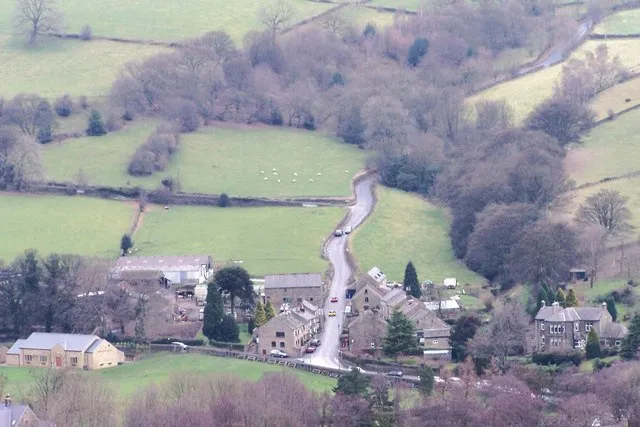
Photo: Terry Robinson, CC BY-SA 2.0, via Wikimedia Commons
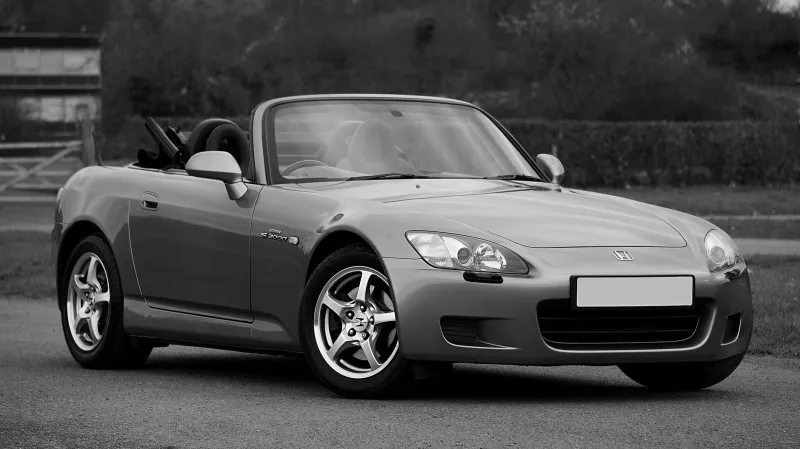
You have found it. The car. The one with the right noise, the right stance and a classifieds photo that has already taken up residence in your head. Then you do the sensible thing and picture it outside your house. Suddenly the dream meets a dropped kerb, a row of wheelie bins, a speed cushion and the neighbour's wall. That is not a reason to walk away. It is a reason to test the car against the place it will actually live.
Buying a dream car is an emotional decision, and thank goodness for that. But the street is where the romance either settles in or starts to fray. A car that scrapes its splitter every morning or needs a five-point turn to leave your road will wear you down faster than any reliability worry. Before the heart signs on the dotted line, give your street a vote.
Start at the kerb, not the colour
Most buyers check paint, service history and whether the seats hold them properly. Fewer check the approach angle of their own driveway. That is the gap where dream cars go to sulk.
Park your current car where the new one will sit and look at the kerb line. Is there a lip, a slope or a drain cover that catches a low nose? Does the driveway rise sharply from the road? A front splitter that looks heroic in a showroom can sound expensive on a Tuesday morning. If you are serious about a particular model, ask the seller to meet you near your road for a viewing. A short, honest approach is worth more than a long, flattering test route.
Measure the obvious things too: the width of your driveway, the distance between the house and the boundary, and the height of any gate or carport. Do not forget mirrors. A car that fits with them folded may still be a daily fiddle if you have to fold them every single time.
The speed-hump syllabus
Britain's back roads and residential streets are a masterclass in keeping performance cars humble. Speed humps, cushions and raised crossings all ask the same question: can this car pass without a wince?
Take the dream car over the exact humps you use most. Not a similar road, not a smoother route, but your road. Listen for the scrape you can hear and feel for the one you cannot. Low-profile tyres and stiff suspension can turn a small cushion into a event, so test at normal speeds and with a full tank if you can. If the car has adjustable dampers, try the comfort setting. If it has a front lift system, use it and ask yourself whether you want to press a button every time you leave home.
While you are there, check the potholes. A firm ride is part of the fun, but a car that crashes over broken tarmac will make you avoid your own street. That is no way to live with a dream.
Width, wings and neighbourly tolerance
A wide car is wonderful on an empty B-road and less wonderful between a parked van and a hedge. Find out the real width, including mirrors, and compare it with your parking space and the tightest point on your route. Terraced streets, residents' parking and bin day all shrink the available room.
Neighbour tolerance matters more than many buyers admit. A car that blocks a shared driveway, overhangs a pavement or makes a glorious noise at 6am will test even friendly relations. If you plan to warm the engine before an early Sunday run, think about where the exhaust points and how much of the street hears it. Enthusiasm is contagious, but not always before breakfast.
Overnight eyes and the morning squeeze
Security is part of the street test. Will the car sit on a driveway, in a garage or on the road? If it is street parking, check residents' permits, parking restrictions and how exposed the car feels overnight. Keyless cars deserve a conversation about relay theft, steering locks and where you keep the keys. A dream car that keeps you awake is not much of a dream.
Then there is the morning squeeze. The school run, the commute, the tip run and the supermarket car park are all part of ownership. A low car with a long door can be a nuisance in a narrow bay. A wide car can be a fidget in a multi-storey. Reversing sensors and cameras help, but visibility still matters. Sit in the car and look over your shoulder. Pretend you are reversing into your own space with a child's seat behind you and a queue of traffic waiting.
The reverse test and the real route
Before you commit, do the boring lap. Drive the car from your house to work or to the station, then back again. Include the school gates, the tight corner and the car park you actually use. If the seller will not allow it, at least drive the last mile to your door in the car you are considering. The final approach tells you more than a polished dual carriageway ever will.
When the street says no
The street's veto is not always final. Sometimes a different wheel size, a simpler front bumper or a car with air suspension solves the problem. Sometimes the answer is a parking space nearby, a car cover or a change of route. But if the car cannot clear your kerb, fit your bay or survive your neighbours without daily stress, believe the street. There are plenty of dream cars that suit tight British roads and still make you grin.
The best buy is the one you can actually use. Test the car against your street, then let the heart have its say. If it passes both, you have found something worth keeping.