Miles of Smiles: Why the Driven Dream Car Is the Smarter Buy

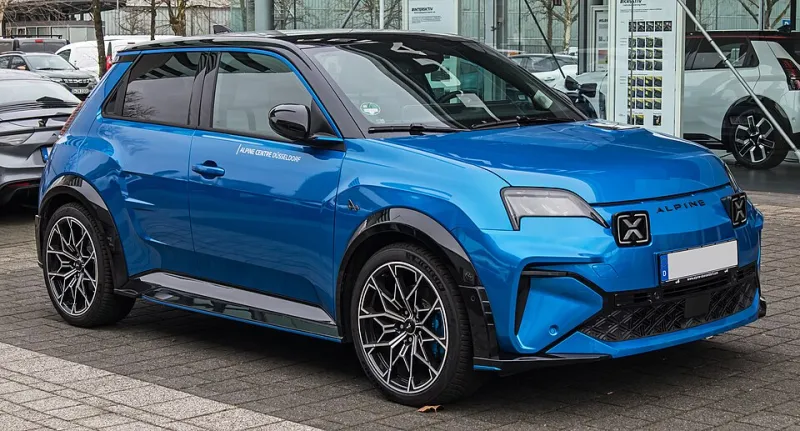
Photo: Idawriter, CC BY-SA 3.0, via Wikimedia Commons
Let's kill the myth straight away: mileage is not the enemy. Neglect is. A performance car that has covered 120,000 miles with regular oil changes, fresh fluids and a fastidious owner is often a far better bet than a 45,000-mile garage queen that has spent five years doing short hops, cold-starting and gathering flat spots on its tyres.
That matters in 2026 because the used market is full of tempting metal at sensible money. The difference between a neglected low-miler and a cherished high-miler can be thousands of pounds. Spend that saving wisely — on tyres, brakes, dampers and a proper fluid service — and you can end up with a car that feels sharper, sounds sweeter and drives better than the cosseted alternative.
Why the driven car usually wins
Cars are designed to be used. Seals stay supple, bearings get lubricated, brakes stay free and electronics get exercised. A car that has sat under a cover for months can develop flat-spotted tyres, seized calipers, tired batteries and damp-related electrical gremlins. A high-miler that has been enjoyed regularly is often the healthier machine.
There is also the question of honesty. A 100,000-mile car cannot pretend to be something it is not. Its MOT history, service invoices and worn interior tell a story. A low-mileage car with a patchy file can hide a lot more.
What a cherished high-miler looks like
Start with the paperwork. You want a service book with stamps, but also receipts. Oil changes every 10,000 miles or annually — whichever comes first — matter more than a perfect main-dealer stamp collection. Independent specialist invoices are a good sign, especially for performance models. Look for evidence of brake fluid, coolant, gearbox oil and spark plugs being changed on schedule.
Check the MOT history online before you travel. Mileage should rise steadily, advisories should be fixed rather than repeated, and fail sheets should tell a coherent story. A car that failed on a bald tyre and passed a week later is fine. A car that has had the same corroded brake pipe advisory for four years is not.
Then look at the owner as much as the car. A warm welcome, a clean driveway, a folder of receipts and a willingness to talk about the car's foibles are all good signs. A seller who says 'they all do that' about a worrying noise is not.
The UK viewing checklist
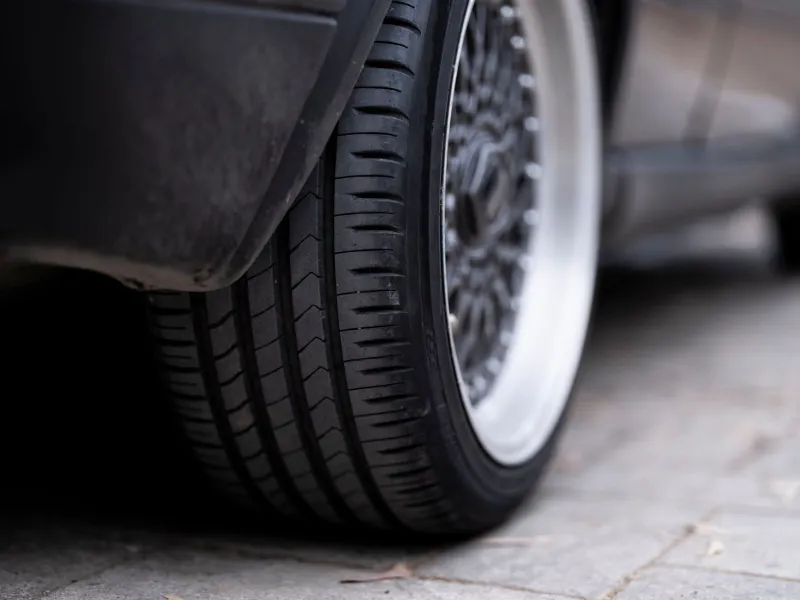
On a UK test drive, listen from cold. A rattle, whine or puff of blue smoke that disappears when warm is still a warning. Check the tyres: matching quality brands suggest an owner who cares. Budget rubber on the front and premium on the back is a red flag. Look at the brake discs for deep lips and the pads for uneven wear. Worn dampers often show as misting, uneven tyre wear or a floaty feel over B-road crests.
Common wear items to price up include clutch and dual-mass flywheel on manual hot hatches, timing chains or belts depending on model, turbo actuators, coolant hoses, suspension bushes, drop links, dampers and springs. Electrical niggles — windows, sensors, infotainment — are rarely terminal but can be annoying. Corrosion is the big one: check sills, jacking points, rear arches and subframes, especially on older Japanese and German metal.
The money maths that makes sense
Imagine two cars. One is a 50,000-mile example at £16,000 with no history beyond MOTs. The other is a 95,000-mile car at £11,500 with a thick folder, recent tyres and a fresh service. The high-miler leaves £4,500 in your pocket. Spend £700 on quality tyres, £500 on pads and discs, £1,000 on dampers and bushes, £300 on fluids and filters, and you still have £2,000 for a contingency fund. That is a properly sorted car for less than the garage queen — and you can drive it without worrying about adding miles.
When to walk away
Walk away from a car with no service history, mismatched mileage, a seller who refuses an inspection, or fresh underseal hiding who-knows-what. Walk away from overheating, smoke, rattles from the bottom end, or a gearbox that crunches. Walk away from repeated MOT advisories for structural corrosion. There are plenty of honest high-milers out there; you do not need to rescue a neglected one.
The dreamer's verdict
A well-loved high-mileage performance car is not a compromise. It is a shortcut to the good stuff: a car you can use, enjoy and improve without fretting about the odometer. Buy on condition and paperwork, budget for consumables, and put the savings into the parts that make a difference. Your dream car should be driven — not preserved under a duvet.
At Pudsey's Dream Wheels, we would rather see a leggy hot hatch singing down a B-road than a low-mile garage queen gathering dust. Feed the obsession. Drive the dream.