Paint First, Options Later: The Classifieds Case for the Right Colour
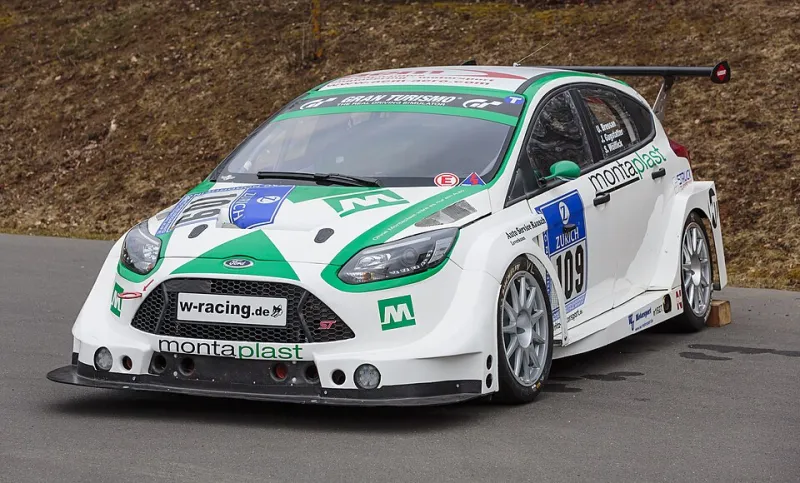
Photo: CEphoto, Uwe Aranas, CC BY-SA 3.0, via Wikimedia Commons
Walk around any UK classic or performance car show and you’ll hear the same conversation. Not about adaptive dampers or carbon-ceramic brakes, but about colour. “Is that Riviera Blue?” “I didn’t know you could get one in that.” “I’d have bought one years ago if they weren’t all silver.”
Colour is the most visible option on any car, the one you live with every day, and the one that follows the car through every classified ad, every forum thread and every sale. Yet buyers still obsess over spec sheets and ignore the paint. That’s a mistake — especially on the kind of dream wheels that fill this site’s wish-lists.
Why colour moves the needle
On a mainstream hatchback, colour is a lifestyle choice. On a performance model or a modern classic, it’s part of the identity. The right shade can make an ordinary example feel special, widen the audience when you sell, and even protect residuals. The wrong shade can leave a perfectly good car sitting in the classifieds while buyers chase the same model in a more desirable colour.
There’s a very British dimension to this. Our light is grey for a good chunk of the year, and our roads are often grey too. A bold colour cuts through that. It makes a car look loved, photographed and memorable. A heritage colour carries a story. A flat grey or black car can be handsome, but on a special model it can also look like the buyer ticked the sensible box and then went to lunch.
The shades that carry a model
Some colours are so tied to a car that they become part of its reputation. Ford Focus RS Mk3 in Nitrous Blue is the obvious one: it turned a fast Ford into a poster car. BMW’s Isle of Man Green transformed the G80 M3 for plenty of people who had struggled with the grille. Porsche’s Shark Blue and Lizard Green do a similar job on the 911, making a familiar shape feel events-worth. Land Rover’s Grasmere Green and Keswick Green give the Defender the heritage glow that grey never quite manages. Mini in British Racing Green with a white roof is practically a national institution.
These aren’t just pretty colours. They’re shorthand. They tell the next buyer that this car was specified by someone who cared, and that it will be easier to sell on when the time comes. That matters in the UK, where a dream car often has to justify itself to a partner, a driveway and a insurance renewal.
Heritage beats fashion — usually
Fashion colours come and go. A vivid launch shade can look incredible in 2026 and faintly dated by 2032. Heritage colours tend to age better because they were never trying to be trendy in the first place. British Racing Green, Guards Red, Riviera Blue, Bahama Blue, Tangerine — these are shades with history, and history sells.
That doesn’t mean you should automatically chase the most famous colour. A rare paint-to-sample car can be a wonderful thing, but it can also narrow the buyer pool to the three people on the internet who specifically want that shade. The sweet spot is a colour that is desirable but not so obscure that it becomes a liability. Think “enthusiast favourite”, not “one-off curiosity”.
The risk in safe spec
Silver, black and grey are the safe bets. They’re easy to sell, easy to keep clean and easy to live with. But on a dream car, safe can be boring. A silver Porsche 911 is a lovely thing; a silver Porsche 911 GT3 with no other visual drama can feel like a missed opportunity. The same goes for a grey Focus RS or a black Lotus Emira. You’re buying a car that exists to stir something, so why spec it like a company rep’s estate?
There’s a financial argument here too. Safe colours often sell quickly, but they rarely command the premium of a sought-after shade. Bold or heritage paint can be the smartest money in the classifieds because it makes the car stand out without adding mechanical complexity. It’s value you can see.
How to buy on colour
Start by checking the paint code against the original build sheet or documentation. Resprays aren’t automatically bad, but a colour change should be reflected in the price and the paperwork. Look for evidence of a proper job: door shuts, under the bonnet, the boot floor. A cheap colour change is easy to spot and hard to love.
Then ask yourself whether the colour suits the car. A heritage shade on a modern performance model can work beautifully, but it needs the right wheels, trim and interior to carry it off. A bold launch colour with a mismatch interior can look like a mistake. And don’t pay a huge premium for colour alone — condition, history and specification still matter. But if you’re choosing between two similar cars, the better colour is often the better buy.
The 2026 classifieds view
Right now, the UK classifieds are full of dream cars in sensible shades. That’s good news if you want a bargain, but it’s also a reminder that colour is one of the few options you can’t retrofit cheaply or convincingly. You can add a better stereo. You can upgrade the suspension. You cannot easily turn a silver car into a Nitrous Blue hero without spending proper money and risking the car’s originality.
So next time you’re scrolling through ads, resist the urge to skip straight to the spec list. Look at the paint first. The right colour doesn’t just make a dream car look better — it makes it feel like yours. And in a market full of grey, that’s worth more than a sunroof.